harvesting more with less
Onion cultivation is under pressure. Not because the crop has become less important, but because the conditions under which it is grown are fundamentally changing. Crop protection products are being phased out, fertiliser use is facing increasing regulation, weather patterns are becoming less predictable and disease pressure is rising. At the same time, market demands remain uncompromisingly high. Uniformity, firmness, storability and a low environmental footprint are no longer advantages — they have become basic requirements.
Precisely because of this combination of factors, the focus of Dutch onion cultivation is increasingly shifting towards the foundation: the soil. What happens there before sowing increasingly determines the final outcome at the end of the season. Anyone sowing onions today no longer starts with the same position as ten years ago.
22% decline in crop protection product use
According to figures from the CBS (Statistics Netherlands), the use of crop protection products in the Netherlands declined from approximately 5.0 million kilograms of active substances in 2020 to around 3.9 million kilograms in 2024 — a reduction of 22%. The sharpest decline has taken place over the past five years. While the reduction was gradual for many years, a clear acceleration has recently become visible.
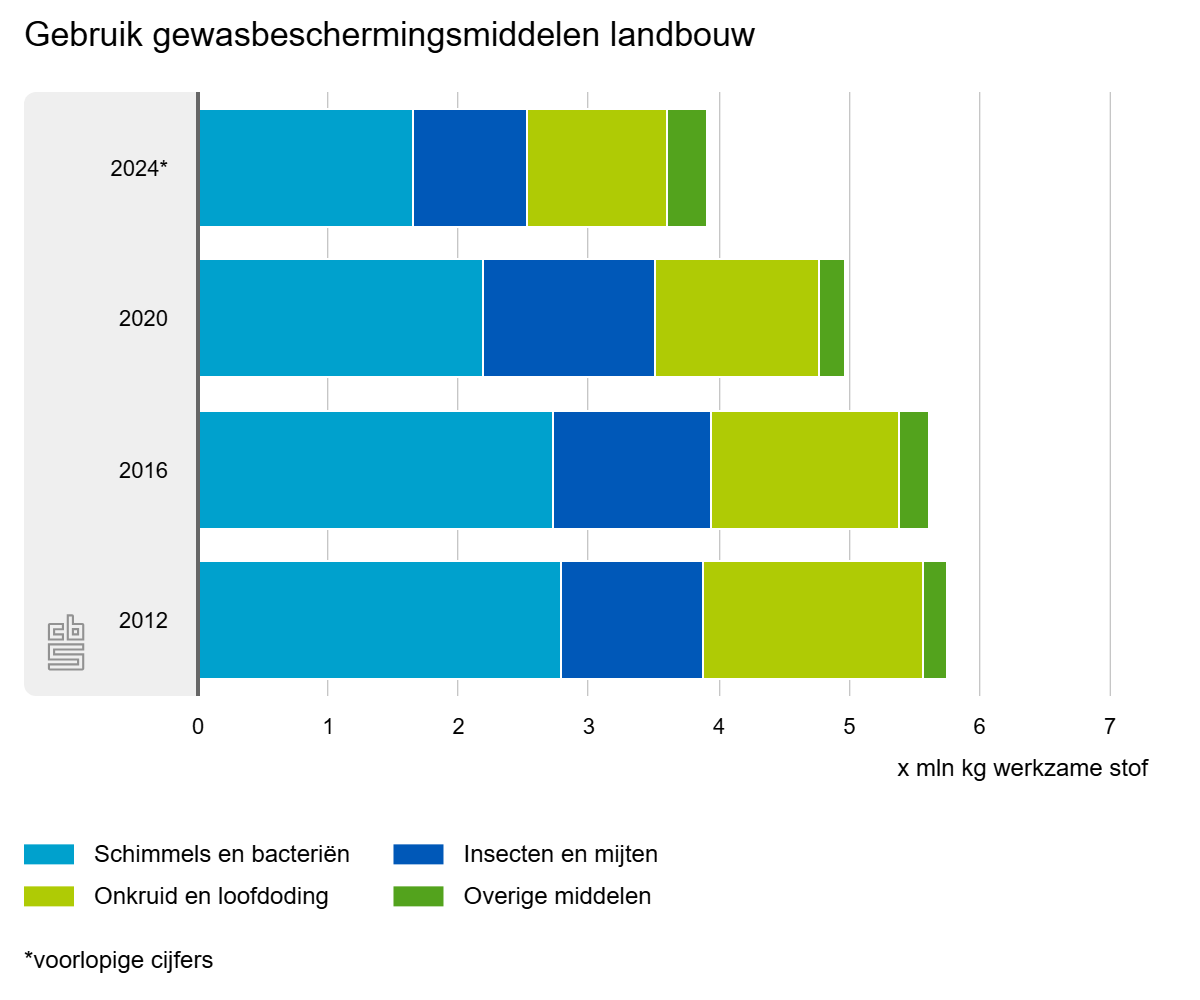
Looking further back, data from the Compendium voor de Leefomgeving (CLO) also shows a decline from approximately 5.7 million kilograms in 2012 to 3.9 million kilograms in 2024. At the same time, European policy initiatives such as the European Commission’s Farm to Fork strategy aim for a 50% reduction in usage by 2030.
Parallel to this, the range of available crop protection products is under increasing pressure, as also reflected in approval trends from the Ctgb (Dutch Board for the Authorisation of Plant Protection Products and Biocides). The Ctgb assesses whether products are safe for humans, animals and the environment and implements European regulations accordingly.
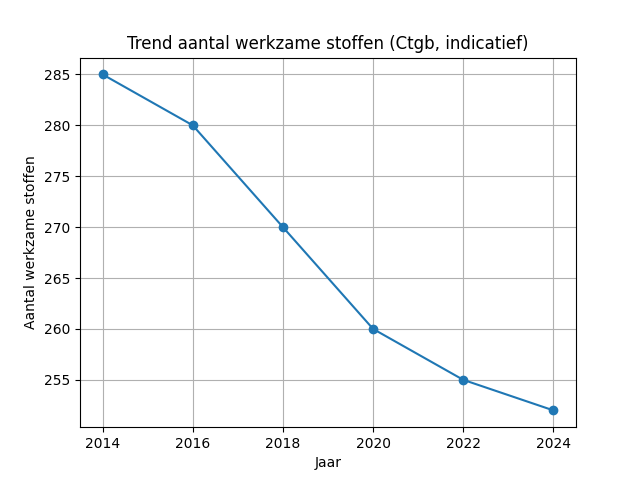
In practice, this means active substances are periodically reassessed. Products that no longer meet current requirements disappear from the market or face usage restrictions. At the same time, fewer new active substances are being introduced than are disappearing. As a result, the range of available products in agriculture continues to narrow.
The “best boy in class”
This development is not unique to the Netherlands, but part of a broader European trend. National authorisation bodies such as the Ctgb implement policies established at European level. However, the way this policy is applied nationally determines how strongly growers experience its impact. The Netherlands follows European authorisation rules, but the Dutch interpretation means the impact is often felt earlier and more strongly by Dutch onion growers.
Within the onion sector, there is therefore a strong perception that the Netherlands is the “best boy in the European classroom” — a position that can work to the disadvantage of Dutch onion growers. Remarkably, Dutch onion cultivation has long been among the crops with relatively low crop protection product use.
Modest use in Dutch onions
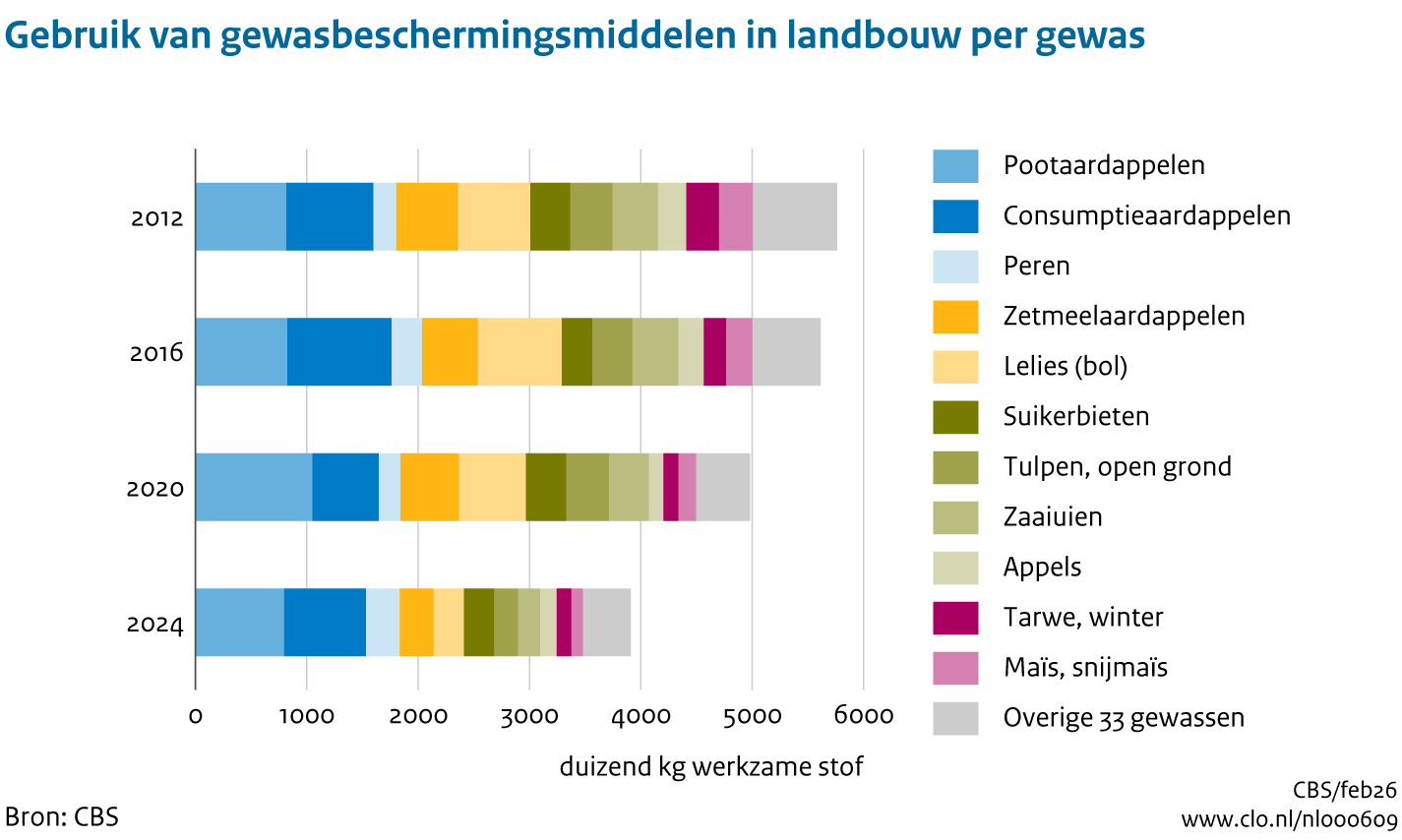
That picture is confirmed by the graph below, showing crop protection product use by crop type. Onions occupy a relatively modest position compared with crops such as potatoes, fruit cultivation and flower bulbs.
Crop protection use cut in half despite area growth
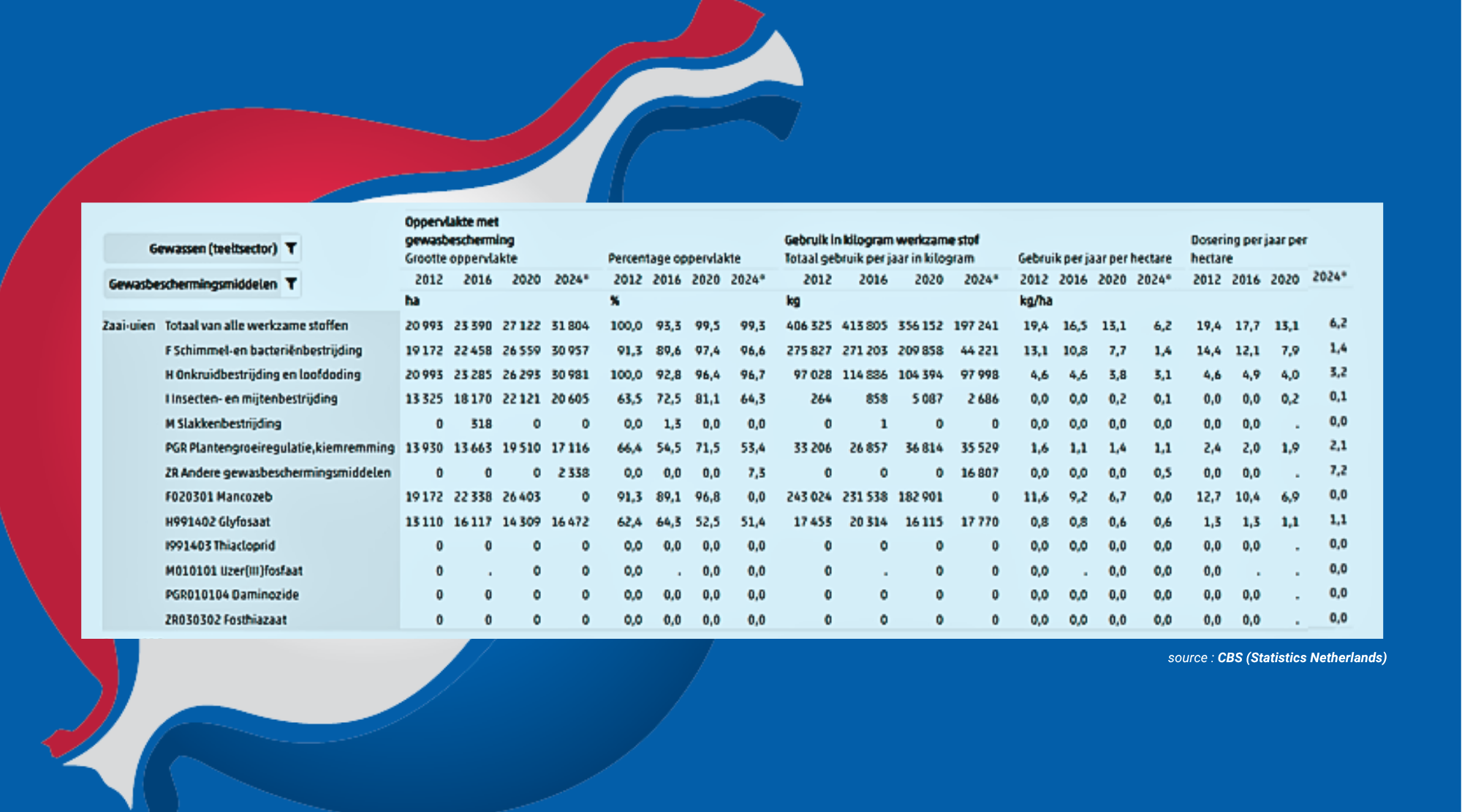
The table below shows how crop protection product use has specifically developed within Dutch seed onion cultivation. While general figures often show a gradual decline, this crop-specific breakdown demonstrates that the reduction within Dutch onion cultivation itself has been substantial.
In reality, the decline is even greater than it may initially appear. While the acreage of seed onions has increased by more than 50% since 2012, total crop protection product use has simultaneously been halved.
A new playing field and integrated crop protection
Crop protection products are not disappearing overnight, but the playing field is changing structurally. The available product package is narrowing and the ability to make corrections during the season is decreasing. As a result, cultivation success is shifting increasingly towards the phase before the season begins — and therefore directly towards the soil. In the Netherlands, soil quality is monitored extensively. More than 50 chemical, physical and biological soil characteristics are known for virtually every field parcel. Source: Wageningen University & Research
IPM
This development aligns closely with the principles of Integrated Pest Management (IPM) in onion cultivation. IPM is a cultivation approach in which diseases, pests and weeds are controlled through a combination of preventive, mechanical, biological, green and — only as a last resort — chemical measures. The objective is to reduce dependence on chemical crop protection products while minimising the impact on soil and water ecosystems.
Specific challenges in onion cultivation
Onion cultivation faces increasing pressure due to the reduced availability of authorised chemical products, making integrated approaches more important than ever. Key threats for which integrated solutions are being developed include Fusarium, onion fly, thrips and downy mildew. (source: Uireka research programme)
Within the chain-wide research programme Uireka, substantial knowledge is being developed and shared. Since this season, a commercial bioassay has been under development that can both qualitatively and quantitatively detect the pathogenic Fusarium oxysporum forma specialis cepae. Based on these analyses, growers can determine how risky it is to cultivate onions on a specific field.
Onions: no room for mistakes
Onions have a fine and shallow root system and are entirely dependent on what is available in the immediate root zone. They grow slowly during the initial stages and possess very limited recovery capacity.
The first weeks determine everything:
-plant density
-uniformity
-final yield
The role of soil is becoming greater
The soil is therefore no longer merely a precondition, but a decisive factor in cultivation.
The soil determines:
-whether nutrients are available
-whether roots can develop properly
-whether water is retained or drained away
-and how resilient the crop is at the start
pH, structure and organic matter
In addition to nutrients, three soil factors are becoming increasingly important:
-pH
Influences nutrient availability and soil biology. Even small deviations can affect nutrient uptake.
-Structure
Determines whether roots can develop properly. Compaction and surface sealing directly limit uptake capacity.
-Organic matter
Plays a key role in water management, nutrient buffering and soil biology. Fields with higher organic matter content are demonstrably more resilient to drought and heavy rainfall events. (source: Handboek Bodem en Bemesting)
Climate makes the start decisive
Climate influence reinforces this development and increases the differences between onion fields. A well-structured soil can buffer these extremes. Poor soil amplifies them.
Economic pressure forces precision
Besides agronomy, economics are playing an increasingly important role. Fertilisers have become more expensive and now represent a major cost factor. At the same time, pressure to reduce emissions is increasing. This means every kilogram that is not used efficiently directly costs money. Targeted fertilisation based on current soil data is therefore becoming not only agronomically necessary, but economically essential as well. No longer applying what is standard — but applying what is needed.
Towards a new standard in onion cultivation
The combination of fewer crop protection products, higher costs and more extreme weather conditions means the soil is becoming the decisive factor in Dutch onion cultivation. In practical terms, this means making decisions before sowing and using soil data when selecting onion varieties, fertilisation strategies and cultivation approaches.
Practice: measuring and steering as the new standard
Dutch onion cultivation is among the most data-driven in the world. Soil analysis, field data and cultivation registration are no longer exceptions for many growers, but standard components of farm management. As a result, the role of data is also changing. It is no longer primarily about analysing what happened afterwards, but increasingly about determining beforehand what a field requires.
In a crop where the start is decisive, this makes the difference. Data is therefore no longer merely a tool, but an integral part of the cultivation strategy and directly linked to soil management.
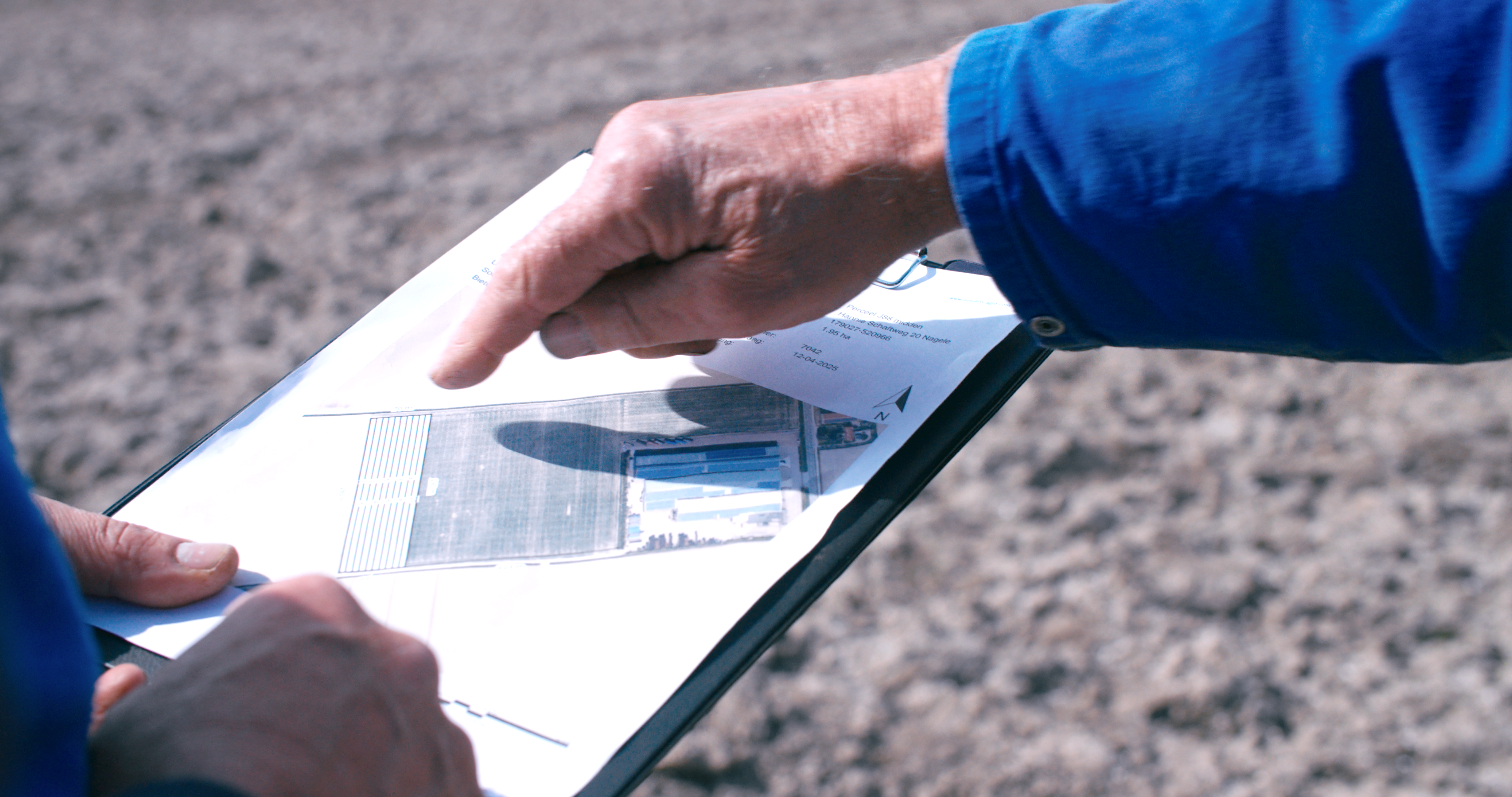
What distinguishes this approach is the quality and independence of the research. Dutch soil analyses are carried out by specialised independent laboratories working according to strict protocols and internationally recognised quality standards. From sampling to analysis and interpretation, every step is standardised, reproducible and verifiable. Using advanced technologies, pathogens and microbial patterns can be identified accurately well before sowing takes place. As a result, the approach shifts from reactive to preventive.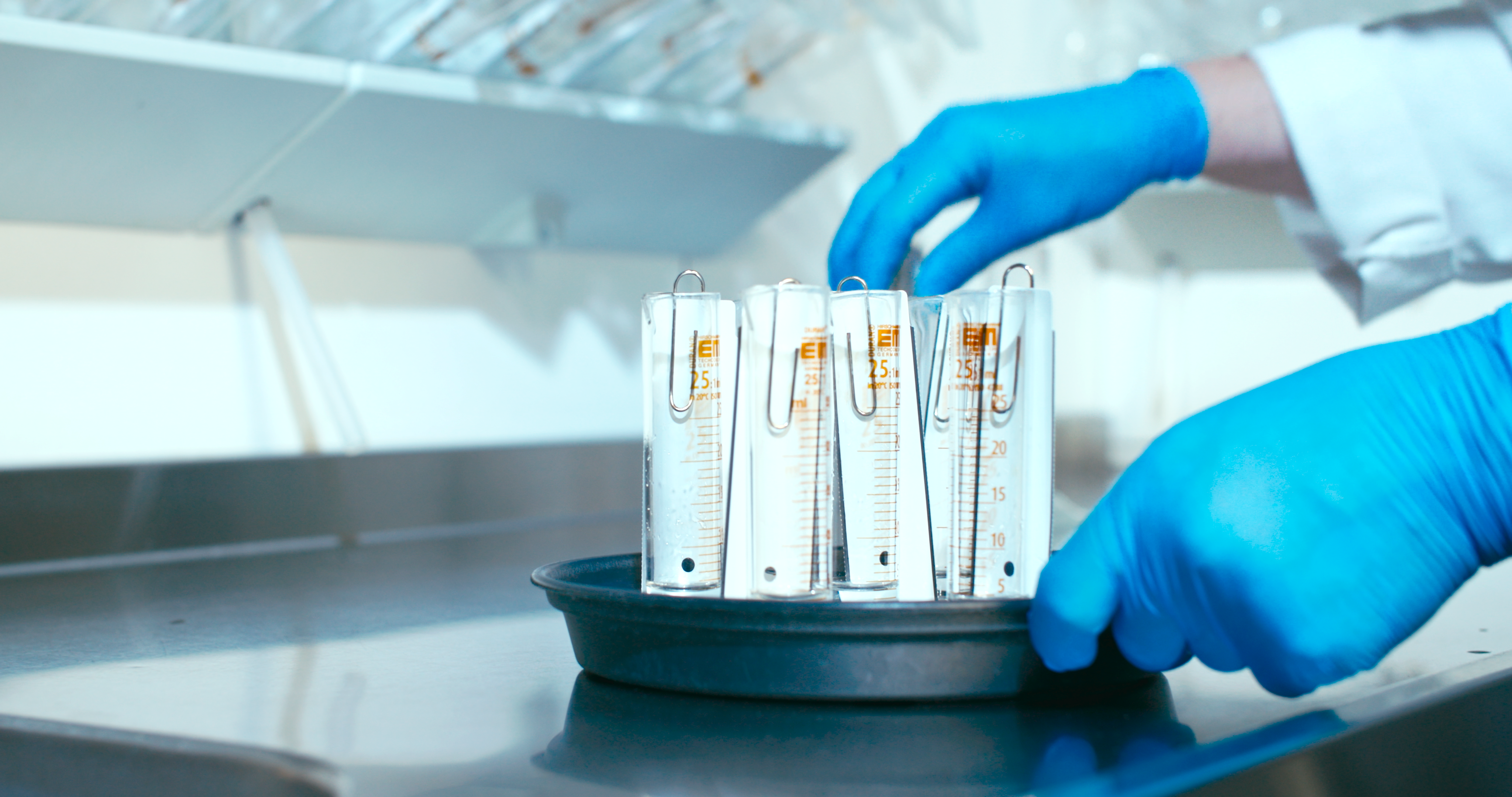
For Dutch onion growers, this means they not only know what is present in the soil, but more importantly what may happen there in the future. It is precisely this insight that enables more targeted decisions regarding variety selection, crop rotation and crop protection strategies. In a cultivation system where the room for correction is becoming increasingly limited, this knowledge forms the basis for a healthy start.
Those who understand their soil before sowing no longer grow on intuition — but on certainty.
How do we apply this in practice in the Netherlands? Watch it here in the first episode of our new series: Sustainable Layers | Healthy Soil – Healthy Start.